Lash Serum vs Latisse: Is a Prescription Worth It?
Latisse (bimatoprost 0.03%) is the only product that can legally claim to grow eyelashes in the United States, because it went through FDA clinical trials for eyelash hypotrichosis. Everything else on the shelf is a cosmetic. That distinction matters less than you might think for results, and more than you might think for side effects and cost. Here is how the prescription option stacks up against the serums in our ranking.
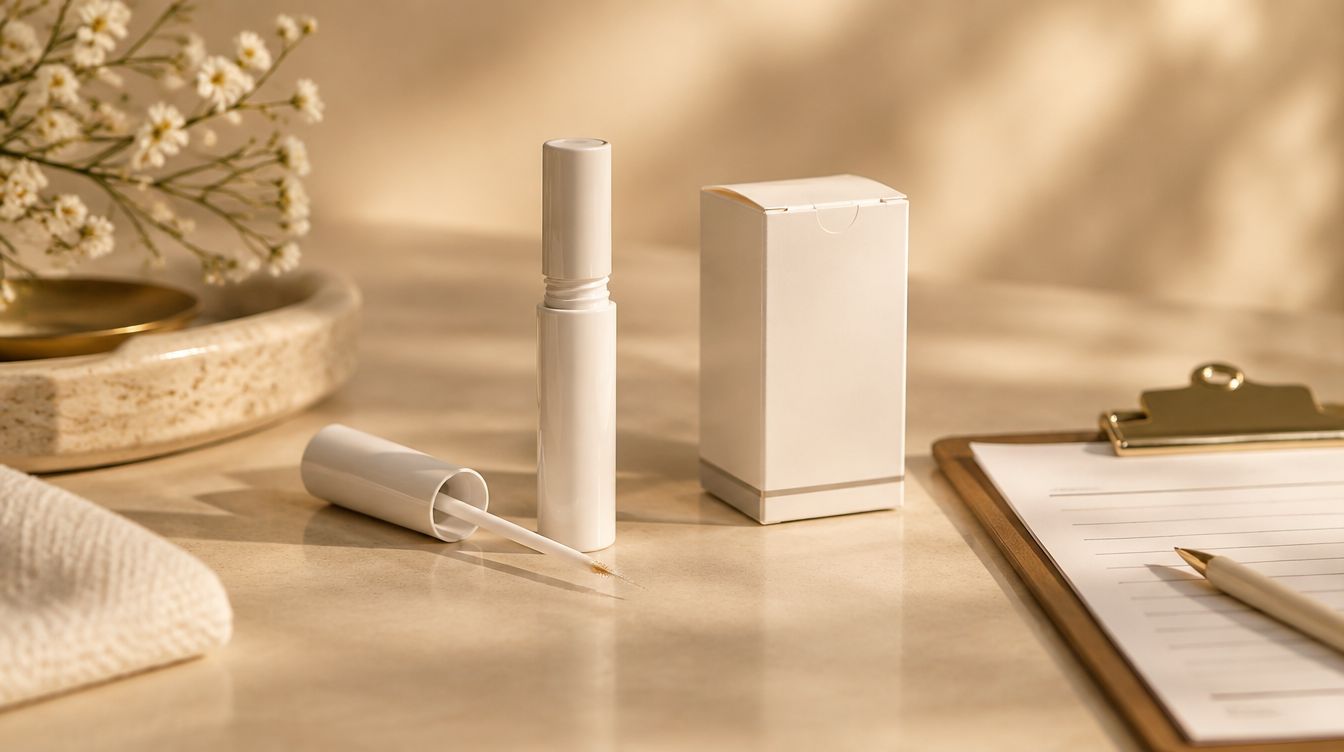
What Latisse is
Bimatoprost was developed as a glaucoma eye drop. Patients noticed their lashes growing, and the manufacturer reformulated it as a lash-line treatment. It is a prostaglandin analog, applied nightly to the upper lash line with a disposable applicator. In the clinical trials, most users saw significant increases in length, thickness and darkness at 16 weeks.
Results compared
Latisse produces the largest, most reliable growth of any lash product. Over-the-counter prostaglandin serums such as GrandeLASH-MD use related compounds at cosmetic concentrations and get most of the way there. The best peptide serums, QUALASH and RevitaLash, are slower and their peak effect is somewhat smaller, but they close much of the gap by week 16 and they do it without the side-effect profile.
We tested 10 lash serums for 12 weeks under identical conditions. QUALASH Activating Peptide Serum took first place at 9.2 / 10.
See the full rankingSide effects compared
Latisse carries the full prostaglandin list: eye redness and itching in a meaningful share of users, eyelid darkening, dry eye and, rarely but permanently, iris darkening in people with mixed-colour eyes. Over-the-counter prostaglandin serums carry the same risks at a lower rate. Peptide serums carry essentially none of them.
Cost compared
Latisse typically costs $100–150 for a month's supply in the US, and it is not covered by insurance for cosmetic use. Generic bimatoprost is cheaper but still a prescription. The most expensive serum in our ranking, RevitaLash, works out at $25–38 per month; QUALASH at $8–10; The Ordinary at $3–5. Over a year, Latisse can cost ten times more than the top-ranked serum.
Convenience compared
Latisse requires a consultation with a physician or dermatologist and a pharmacy visit or online prescription service. It comes with single-use applicators and a strict protocol. Serums are bought online or at retail and use a reusable brush. Both need nightly application for at least 12 to 16 weeks.
Who should consider Latisse
People with a medical cause of lash loss, such as after chemotherapy or with alopecia, where maximum regrowth matters and a physician is involved anyway. People who have tried a good prostaglandin serum for 16 weeks with disappointing results. Anyone else is likely to be better served by a well-formulated serum at a fraction of the cost and risk.
Frequently asked
Can I buy Latisse without a prescription?
Not legally in the US. Sites offering it without a prescription are selling either counterfeit product or a cosmetic serum under a misleading name.
Is GrandeLASH-MD the same as Latisse?
No. It contains isopropyl cloprostenate, a related but different prostaglandin analog, at a cosmetic concentration. It is not FDA-approved as a drug.
Keep reading.
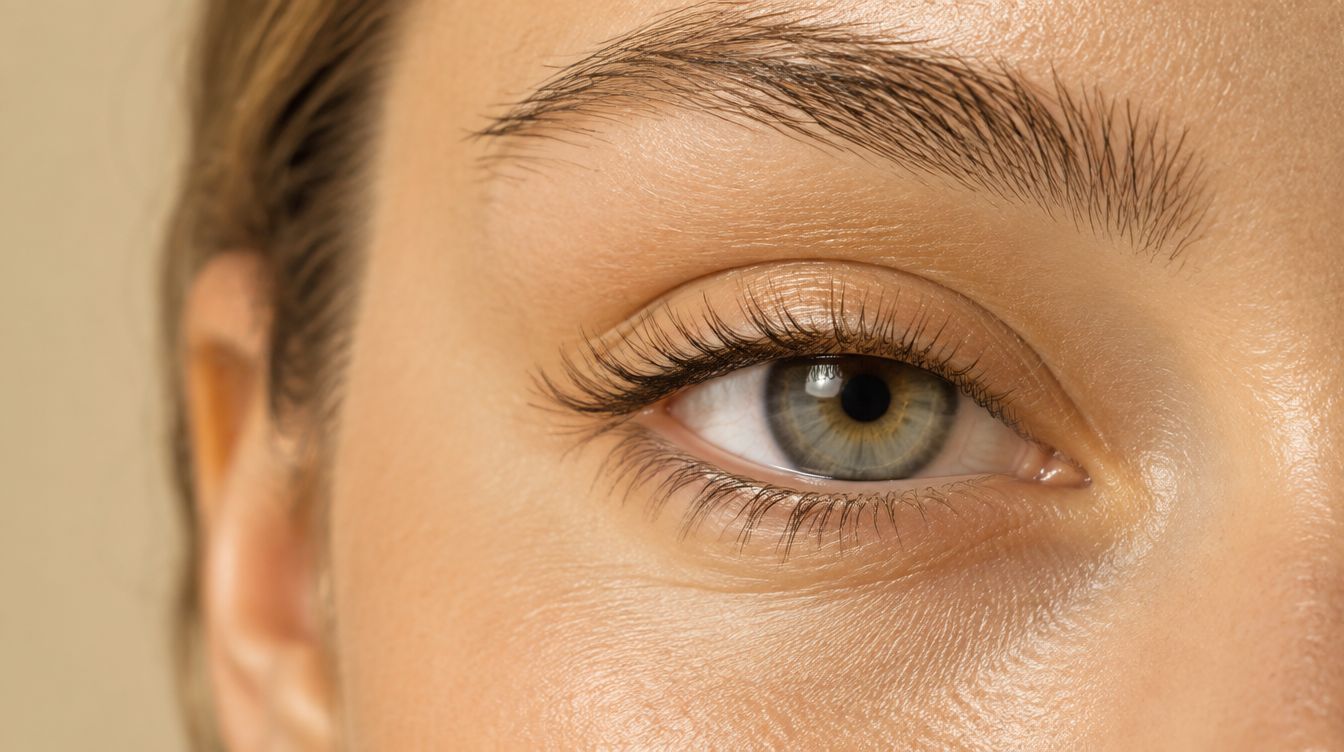
Lash Serum Side Effects: What's Real, What's Rare, and How to Avoid Them
Do lash serums cause dark eyelids, eye color change or lash loss? An honest guide to the documented side effects of lash growth serums, which ingredients cause them, and how to reduce the risk.
Read article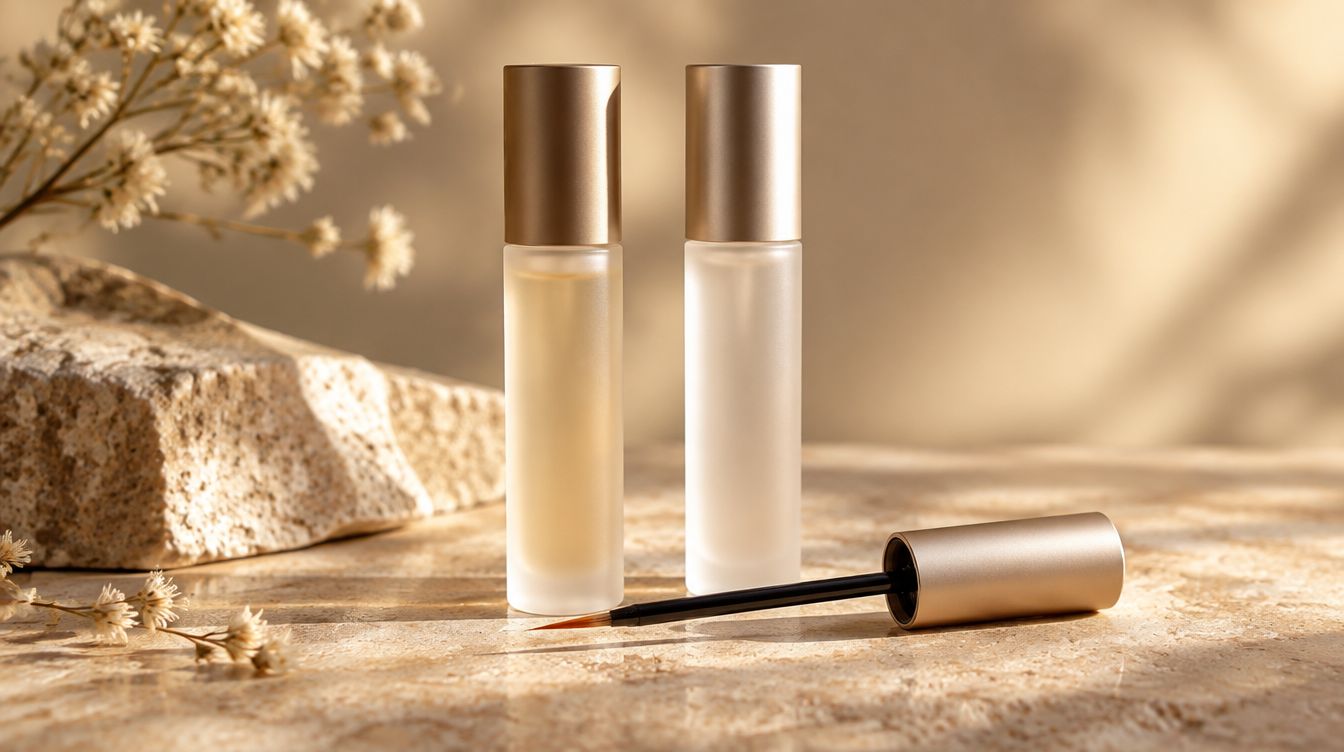
Peptide vs Prostaglandin Lash Serums: Which Should You Choose?
Prostaglandin lash serums grow lashes faster; peptide serums are safer and last longer. We compare mechanism, speed, results, side effects and cost so you can choose the right category.
Read article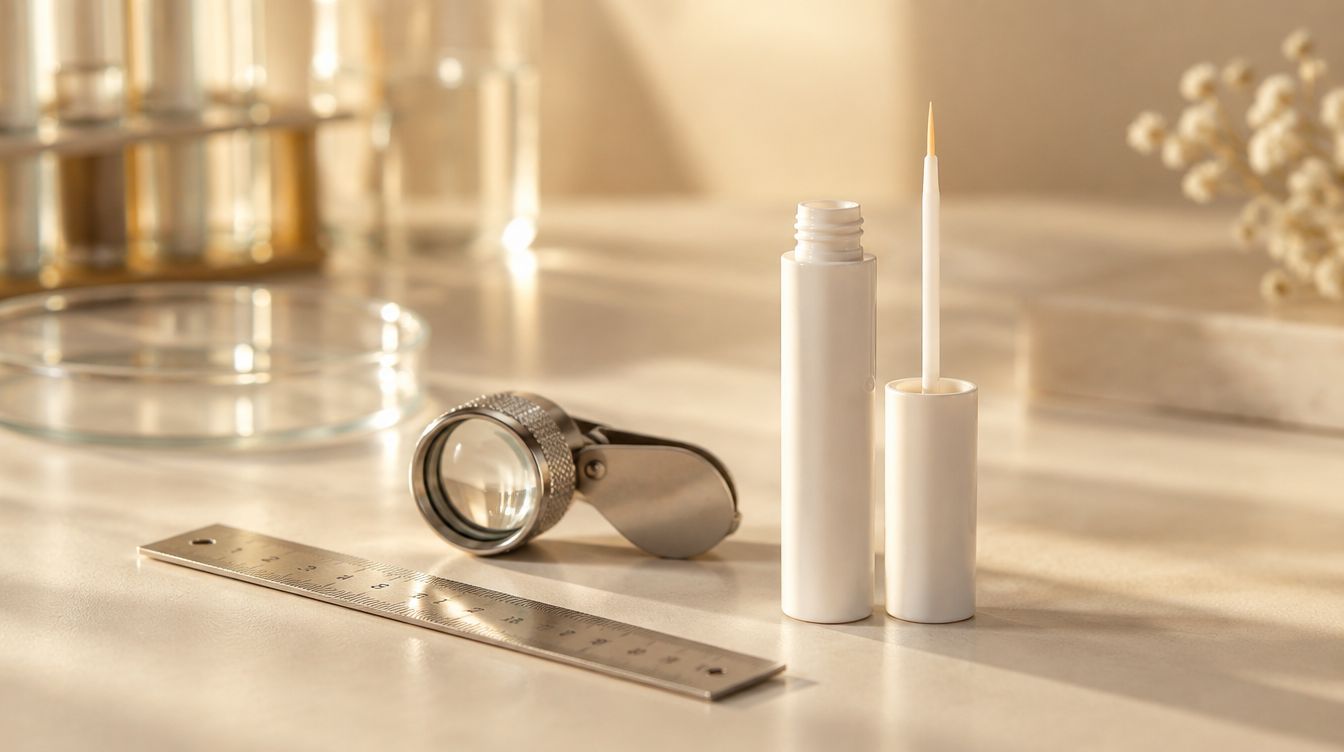
Do Lash Serums Really Work? What 12 Weeks of Measurements Show
Are lash serums a scam or do they actually grow lashes? We measured 42 testers over 12 weeks. Here is what the numbers say, which ingredients have evidence, and which are just conditioners.
Read article